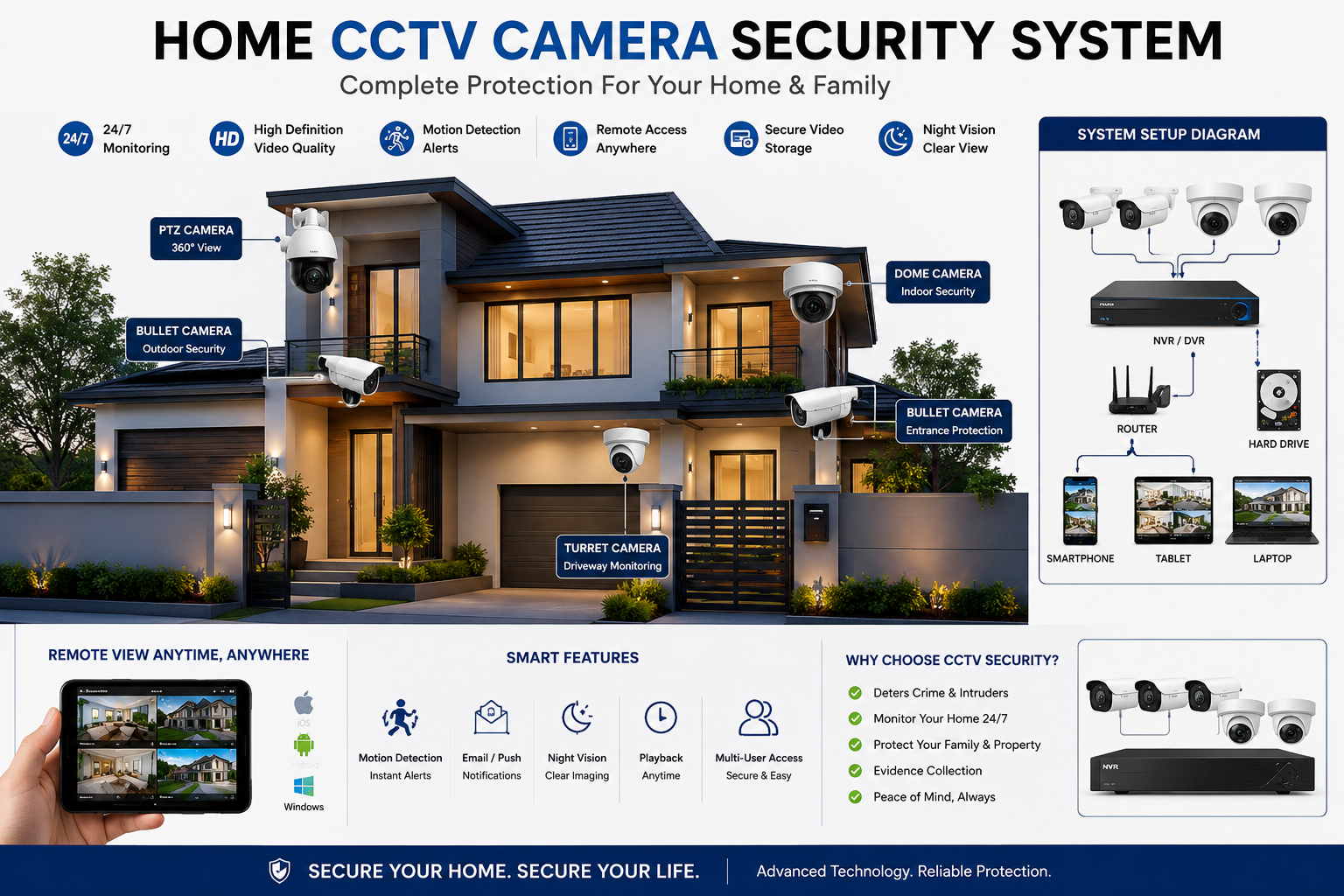
Home CCTV Cameras are an important part of modern home security. In addition, they help cover entry points, reduce blind spots, and improve overall protection. They help cover entry points, reduce blind spots, and improve overall protection.
Home security matters now more than ever. Many homeowners use CCTV cameras to protect their property, family, and belongings. However, one common question remains: how many CCTV cameras do you need for complete home security?
The answer depends on your home’s size, layout, entry points, and security needs. Therefore, planning matters. In this guide, we explain how many cameras different homes usually need and where they should be installed for better coverage.
Why Home CCTV Cameras Are Important
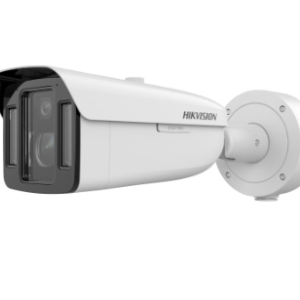
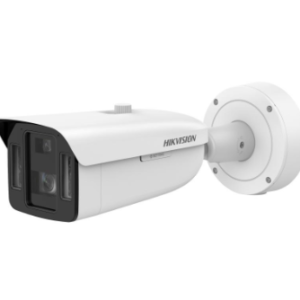
Many homeowners choose Network Cameras because they offer clear video quality and remote monitoring.https://bookmycctv.com/product-category/network-camera-2/
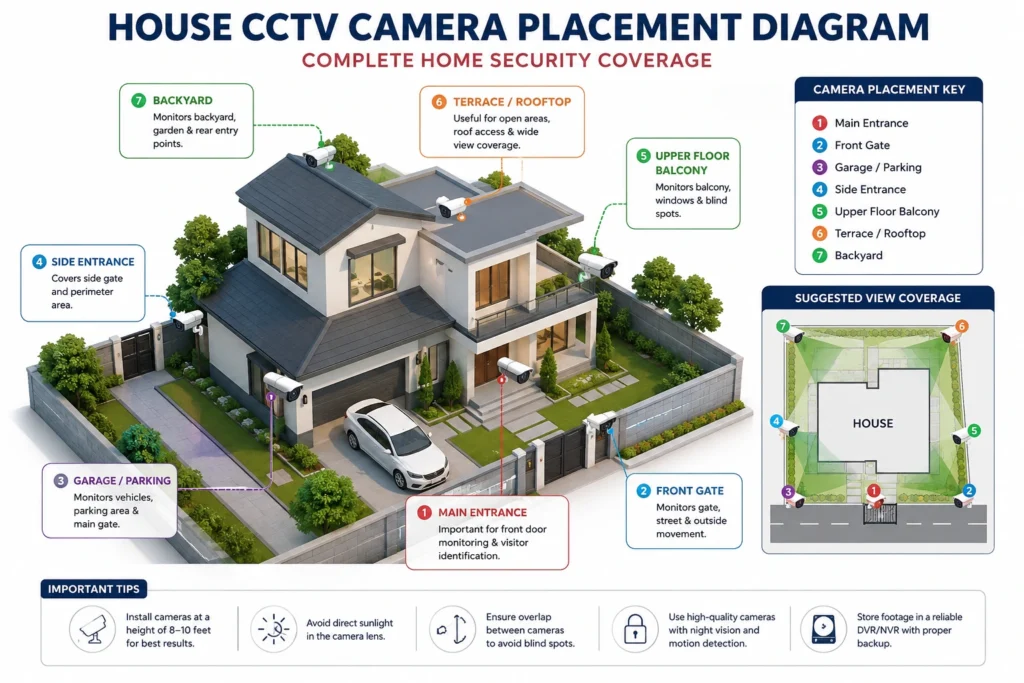
Installing multiple cameras is not enough if they are placed incorrectly. For example, poor placement can leave blind spots. Strategic placement helps eliminate blind spots and ensures important areas are monitored at all times.
Some key areas that require surveillance include:
- Main entrance
- Back door
- Driveway
- Garage
- Backyard
- Stairways and hallways
Moreover, proper camera placement improves security and provides better coverage of your property.
How Many Home CCTV Cameras Do You Need?
The number of Home CCTV Cameras you need depends on the size of your property. For example, a small apartment needs fewer cameras than a large house. Therefore, it is important to plan the setup carefully.
Small Apartment or 1 BHK Home
Most apartments require:
- 1 camera at the main entrance
- 1 camera in the living room or common area
Recommended Cameras: 2–3
Medium-Sized Home (2–3 BHK)
For better coverage, consider:
- Front entrance camera
- Back entrance camera
- Living room camera
- Driveway or parking area camera
Recommended Cameras: 4–6
Large House or Villa
Larger properties usually require:
- Front gate camera
- Main entrance camera
- Backyard camera
- Garage camera
- Side entrance cameras
- Indoor monitoring cameras
Recommended Cameras: 6–10+
Best Places to Install Home CCTV Cameras
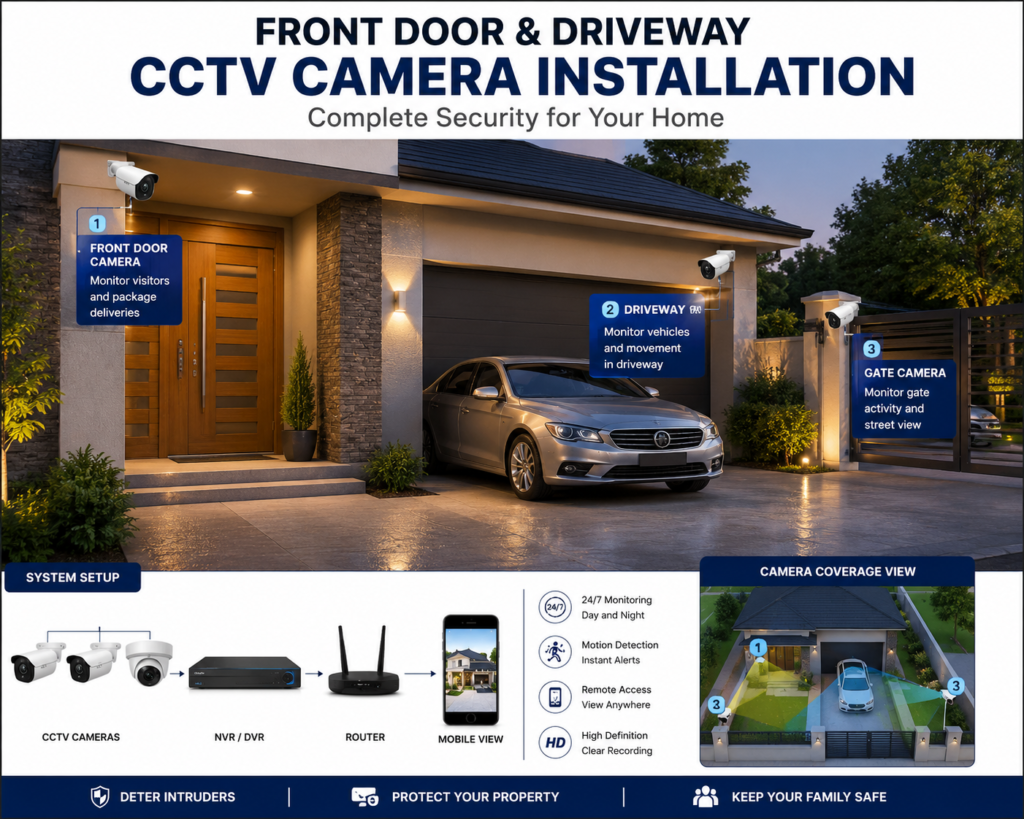
PTZ Cameras are useful for monitoring large driveways and open outdoor spaces.https://bookmycctv.com/product-category/hikvision/ptz-cameras/
Furthermore,Front Door
The front entrance is one of the most important locations. Most visitors, deliveries, and potential intruders use this entry point.
In addition,Back Door
In addition, many break-ins occur through rear entrances. Therefore, a camera here is highly recommended.
Moreover,Driveway
Furthermore,A driveway camera helps monitor vehicles and visitors approaching your property.
Garage
Garages often contain valuable items and vehicles. Adding surveillance improves overall security.
Backyard
As a result, a backyard camera helps monitor outdoor activities and prevents unauthorized access.
Hallways and Staircases
Indoor cameras in common areas help track movement throughout the house.
Indoor vs Outdoor CCTV Cameras
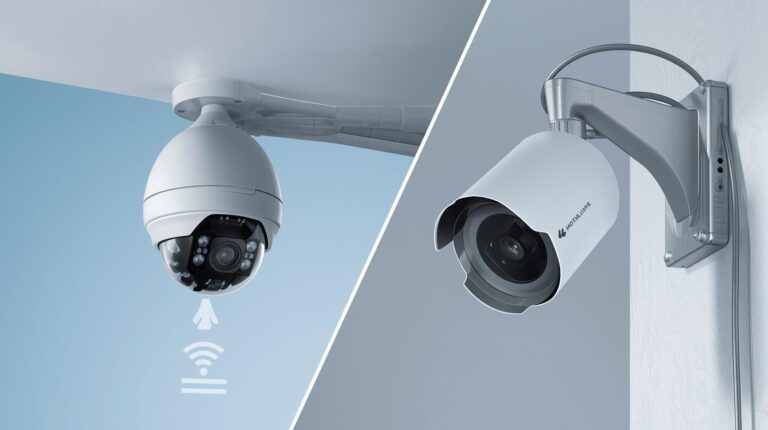
IIndoor cameras work well in living rooms, hallways, staircases, and home offices. On the other hand, outdoor cameras protect entrances, driveways, garages, and gardens. They can also handle rain, dust, and heat.
Indoor Cameras
These cameras are suitable for:
- Living rooms
- Hallways
- Staircases
- Home offices
Outdoor Cameras
Meanwhile, outdoor cameras are designed for:
- Entrances
- Driveways
- Garages
- Gardens
- Property boundaries
Weather-resistant outdoor cameras are useful because they can handle rain, dust, and heat.
Common CCTV Camera Placement Mistakes
Many people make simple mistakes when installing cameras. For example, they may place cameras too high or leave blind spots uncovered. In addition, some homes have too few cameras or poor camera angles. Nighttime coverage is also important, so do not ignore it.
Avoid these mistakes:
- Installing cameras too high
- Ignoring blind spots
- Covering only one entrance
- Choosing poor camera angles
- Using too few cameras
- Forgetting nighttime coverage
As a result,Proper planning helps ensure complete security coverage.
Tips for Complete Home Security Coverage
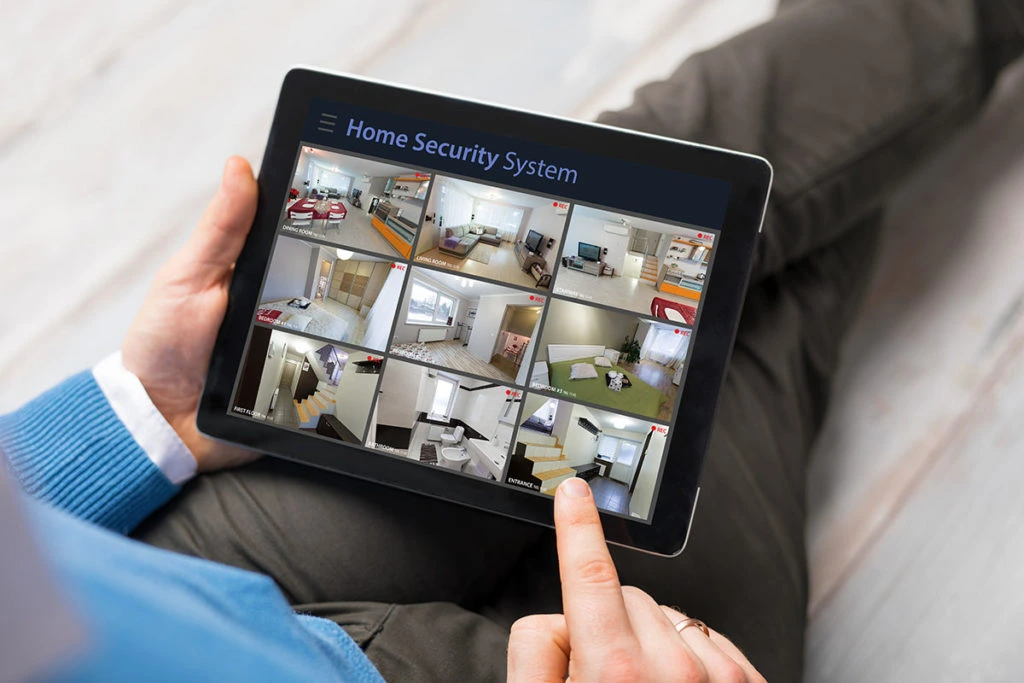
NVR Systems provide reliable storage and help manage footage from multiple cameras.https://bookmycctv.com/product-category/network-video-recorder-nvr/
To improve protection, cover all entry points. Also, use cameras with night vision and choose high-resolution models. Remote monitoring is another helpful feature. Finally, check your camera system regularly to make sure it works properly.
A trusted security guide can also help you improve your setup. You can review home security best practices to strengthen your overall protection.
To improve protection:
- Cover all entry points
- Use cameras with night vision
- Choose high-resolution cameras
- Consider remote monitoring features
- Regularly check camera performance
- Use reliable storage solutions
In addition, make sure cameras are installed in locations where they can capture clear footage.
Final CCTV Camera Checklist
Before installing your system, ask yourself:
✔ Are all entrances covered?
✔ Are there any blind spots?
✔ Do I need indoor cameras?
✔ Is nighttime visibility adequate?
✔ Is storage capacity sufficient?
✔ Can I monitor footage remotely?
Conclusion
Overall, how many CCTV cameras you need depends on your home’s size and layout. Small apartments may only need two or three cameras. Larger homes often need six or more.
Overall, the right number of Home CCTV Cameras depends on your entry points, open areas, and security goals. By placing cameras in the right locations and choosing the right equipment, you can improve home security and enjoy better peace of mind.
home security best practices https://www.cisa.gov/topics/physical-security You can also review home security best practices to improve your overall property protection.