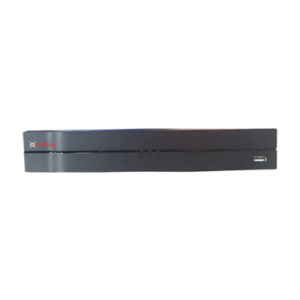
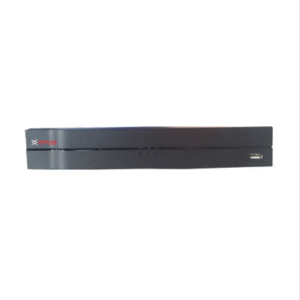
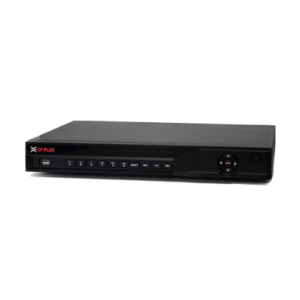
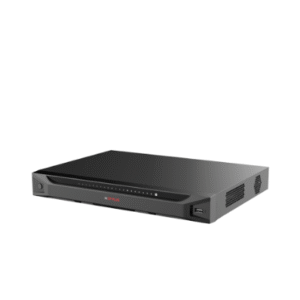
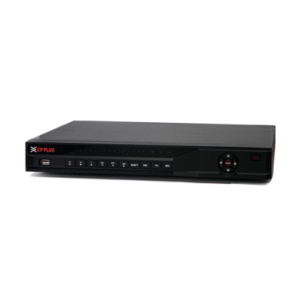
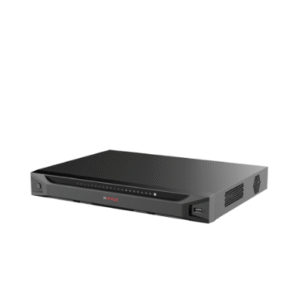
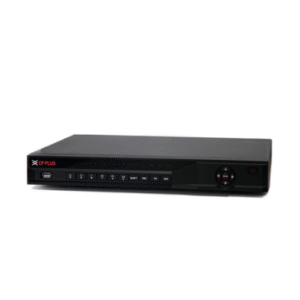
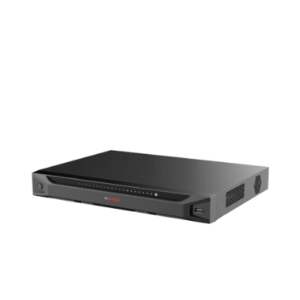
CP-UNR-104F1 4Ch. Network Video Recorder
4 Channel Network Video Recorder with IP camera support, remote monitoring, live viewing, and reliable video recording management.

Showing all 13 results
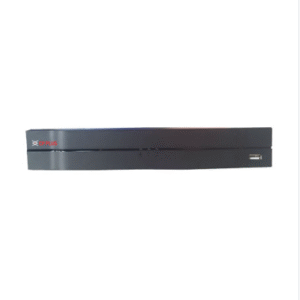
4 Channel Network Video Recorder with IP camera support, remote monitoring, live viewing, and reliable video recording management.
4 Channel PoE Network Video Recorder with 4 built-in PoE ports, IP camera support, remote monitoring, live viewing, and secure video recording.
8 Channel Network Video Recorder with IP camera support, remote monitoring, video storage, and reliable security management.
8 Channel PoE Network Video Recorder with 8 built-in PoE ports, IP camera support, remote monitoring, and reliable video management.
8 Channel AI Network Video Recorder with intelligent analytics, IP camera support, remote monitoring, and advanced surveillance management.
4 Channel 4G Network Video Recorder with remote connectivity, IP camera support, reliable video recording, and smart surveillance management.
8 Channel 4K Network Video Recorder with Ultra HD recording, remote monitoring, efficient storage, and reliable surveillance management.
8 Channel 4K Network Video Recorder with Ultra HD recording, IP camera support, remote monitoring, and reliable security management.
4 Channel Network Video Recorder with IP camera support, remote monitoring, live viewing, playback, and reliable video recording management.
8 Channel 4K PoE Network Video Recorder with 8 built-in PoE ports, Ultra HD recording, remote monitoring, and reliable surveillance management.
8 Channel 4K PoE Network
8 Channel 4K Network Video Recorder with Ultra HD recording, IP camera support, remote access, and reliable surveillance management.
CP Plus 8 Channel 4K NVR (CP-UNR-4K4082-V4) – 1U Dual HDD Professional Network Video Recorder Body Content: The CP Plus CP-UNR-4K4082-V4 represents the next generation of professional surveillance storage. As a high-performance 8-channel Network Video Recorder, the V4 series is built for stability, massive storage capacity, and high-resolution 4K Ultra HD processing. Housed in a durable 1U rack-mount chassis, this NVR is designed for businesses, large residential estates, and industrial sites that require robust 24/7 video archiving. Unmatched Storage & 4K Clarity Unlike entry-level recorders, the CP-UNR-4K4082-V4 features dual SATA ports, supporting up to 2 high-capacity HDDs. This allows for significantly longer data retention periods, making it ideal for compliance-heavy industries. Every channel supports up to 4K (8MP) resolution, ensuring your footage remains crystal clear even when digitally zooming in on faces or license plates. Smart Efficiency with H.265+ & AI Integration Optimized for the modern network, this NVR utilizes H.265+ Smart Encoding. This technology slashes your storage costs and bandwidth consumption by up to 70% while maintaining premium image quality. The V4 chipset is also optimized for AI-enhanced cameras, supporting features like perimeter protection and smart motion detection to ensure you only get alerts for real security threats. Enterprise-Grade Connectivity With the CP Plus InstaCloud (P2P) service, remote monitoring is seamless. Access your 8-channel feed from anywhere in the world via the mobile app. The 1U design ensures it can be neatly integrated into standard server racks or placed on a desktop, providing professional-tier cooling and performance. Key Features (Bullet Points) 8 Channel IP Input: Manage up to 8 high-definition IP cameras from a single centralized hub. 4K Ultra HD Support: Capture and playback in stunning 8MP resolution for maximum evidence detail. Dual HDD Support: Two SATA ports supporting up to 10TB each (20TB total) for massive storage. 1U Rack-Mount Design: Compact yet professional form factor for easy installation in server racks. H.265+ Smart Codec: Advanced compression to maximize recording time and minimize network lag. High Incoming Bandwidth: Supports up to 160Mbps (model dependent) for smooth 4K streams. HDMI & VGA Output: Simultaneous video output with HDMI supporting 4K resolution displays. InstaCloud P2P: Fast QR-code setup for instant remote viewing on iOS and Android. ONVIF Compliance: Compatible with a wide range of third-party IP cameras for flexible system building.
End of content
End of content
A Network Video Recorder (NVR) is an essential component of modern IP-based surveillance systems. It is designed to record, store, and manage video footage from network cameras, making it a core part of any professional security setup. Unlike traditional DVR systems, NVRs work with IP cameras to deliver high-quality digital video recording with better clarity and flexibility.
Our range of network video recorders (NVR) includes 4-channel, 8-channel, PoE-enabled, 4K-ready, and AI-powered models. These devices are suitable for both residential and commercial surveillance applications, offering reliable performance and scalable storage solutions for growing security needs.
Whether you are setting up a small home security system or a large enterprise surveillance network, NVR systems provide centralized control and efficient video management. With support for multiple IP cameras, remote access, and high-resolution recording, they ensure continuous monitoring and improved security response.
A Network Video Recorder is a digital recording device that connects with IP cameras over a network. It processes and stores video footage in digital format, allowing users to access live and recorded video from anywhere through internet-connected devices.
NVR systems are widely used because they offer better scalability, higher resolution support, and easier installation compared to traditional analog DVR systems.
NVR systems offer several advantages over traditional CCTV recorders. They provide superior video quality, flexible camera placement, and easier system expansion. Since they work over IP networks, installation is simpler and requires less cabling in PoE configurations.
Additionally, NVRs support remote monitoring through mobile apps and desktop software, allowing users to access live footage anytime and anywhere.
Modern NVR systems come with advanced features such as 4K recording support, AI-based motion detection, multi-channel playback, and remote access capabilities. PoE-enabled models simplify installation by combining power and data transmission through a single cable.
These features make NVR systems highly efficient and suitable for both small and large surveillance networks.
Selecting the right NVR depends on the number of cameras, resolution requirements, and storage needs. For small setups, a 4-channel NVR is sufficient, while larger installations benefit from 8-channel or higher-capacity models with advanced features.
An NVR is used to record and manage video footage from IP-based security cameras in a surveillance system.
NVR works with IP cameras using network connections, while DVR works with analog cameras using coaxial cables.
It depends on the model, typically 4, 8, 16, or more channels are available.
Yes, NVR can record locally without internet, but internet is required for remote access.
Yes, most modern NVR systems support mobile apps for live viewing and playback from anywhere.