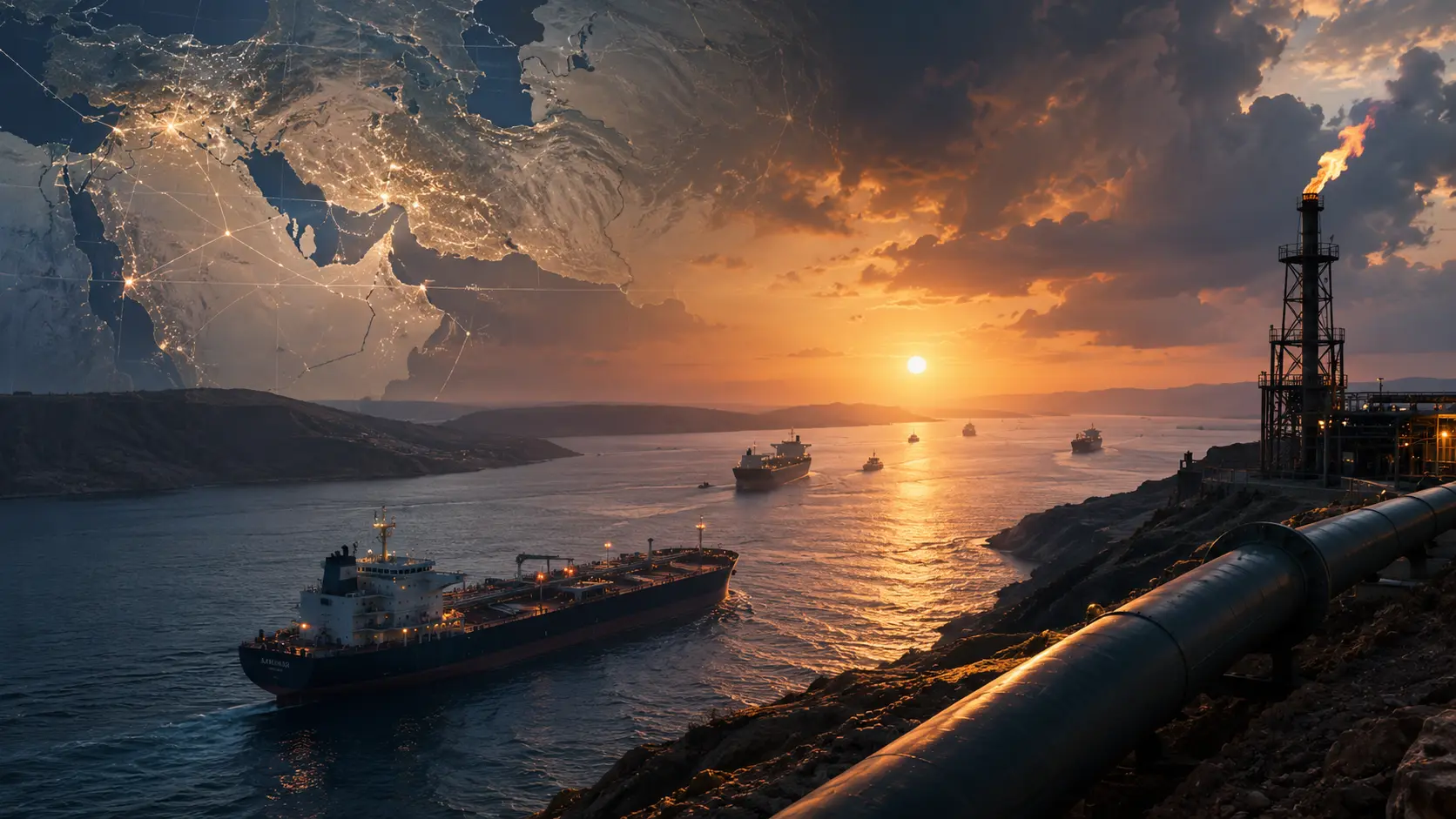
US Iran peace deal has become one of the most discussed global developments in June 2026. After months of military strikes, regional tensions, and fears of a wider conflict, both sides have agreed to a framework ceasefire. The agreement aims to pause hostilities and reopen the Strait of Hormuz, one of the world’s most important shipping routes.
The announcement brought immediate relief to global markets. Oil prices fell, stock markets rose, and world leaders welcomed the move. While the agreement is still provisional, it could have major consequences for energy supplies, Middle East stability, and international diplomacy.
What Makes the US Iran Peace Deal So Important?
The US Iran peace deal matters because it affects more than just two countries. The agreement has the power to influence global energy prices, international shipping, and political stability across the Middle East.
The Strait of Hormuz is one of the world’s most critical trade routes. A large share of global oil passes through it every day, so any disruption can quickly create problems for fuel prices, transport costs, and supply chains. That is why even a temporary ceasefire can have a major global impact.
How the Conflict Reached This Point
Tensions between the United States and Iran have existed for decades. However, the situation escalated significantly in recent months. Military operations, airstrikes, and regional confrontations increased concerns that a larger conflict could erupt across the Middle East.
The possibility of disruptions in the Strait of Hormuz worried governments and businesses worldwide. Around one-fifth of global oil trade passes through this narrow waterway. Any interruption can affect fuel prices, shipping costs, and economic stability.
As pressure mounted, international leaders and diplomatic channels worked to prevent further escalation. These efforts eventually helped create the conditions for the current ceasefire framework.
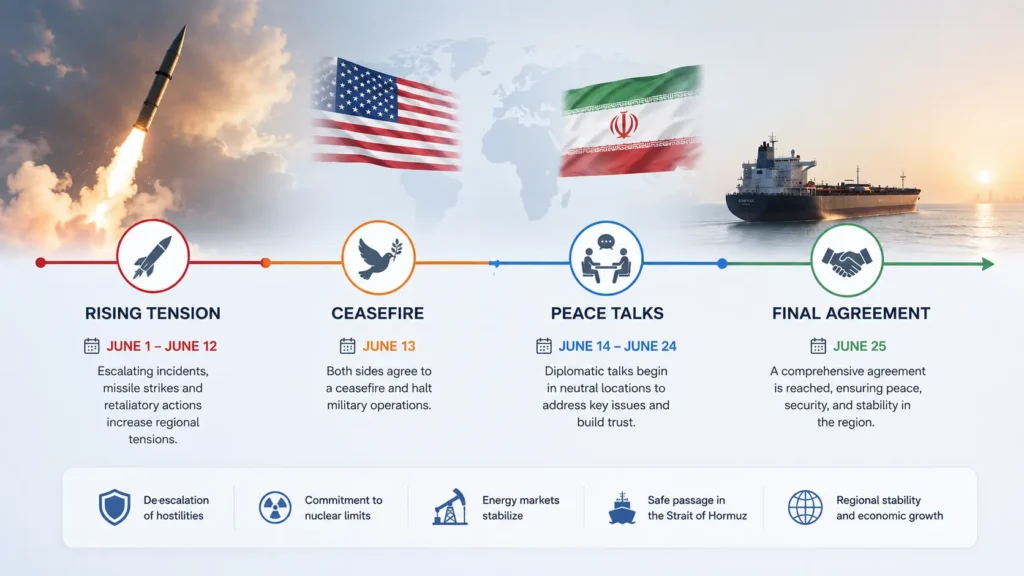
Timeline of the US Iran Peace Deal
The road to the US Iran peace deal was marked by several key developments:
- Rising military activity increased regional tensions.
- Concerns grew over shipping security in the Strait of Hormuz.
- Diplomatic discussions intensified behind closed doors.
- International mediators encouraged both sides to return to negotiations.
- A framework ceasefire was announced, reducing immediate risks of further conflict.
Although many details are still being finalized, the agreement represents the most significant diplomatic breakthrough in the region in recent years.
Market Reaction and Economic Impact
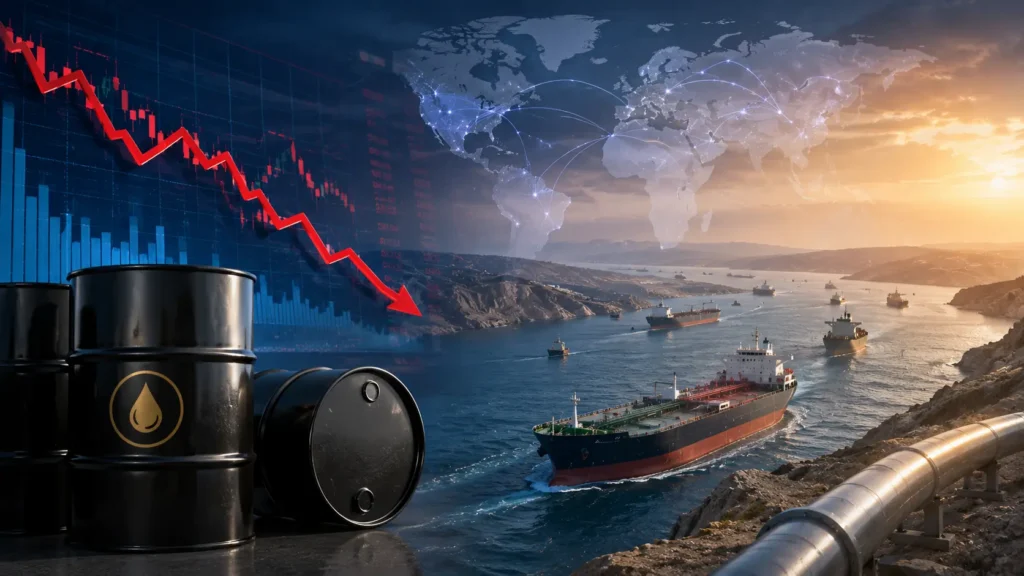
Financial markets responded quickly to the news. Investors viewed the ceasefire as a positive sign for global stability.
Oil prices declined as concerns about supply disruptions eased. Shipping companies welcomed the reopening of key trade routes, while stock markets in several regions recorded gains.
The Strait of Hormuz plays a crucial role in international energy transportation. Any threat to this route can increase fuel prices worldwide. The ceasefire reduced those fears, leading to greater confidence among investors and businesses.
For consumers, lower energy costs could eventually help reduce pressure on transportation and manufacturing expenses. While the impact may vary by country, the initial market response has been largely positive.
Why the US Iran Peace Deal Matters Globally
The importance of the US Iran peace deal extends far beyond the two countries involved.
Energy Security
Global energy markets depend heavily on stable transportation routes. A reduction in regional tensions helps protect oil and gas supplies, benefiting countries around the world.
Regional Stability
The Middle East remains one of the most strategically important regions on the planet. Reduced conflict could lower the risk of broader military confrontations and improve security conditions.
International Trade
Global trade relies on secure shipping lanes. Reopening major maritime routes can reduce uncertainty for businesses and improve supply chain efficiency.
Diplomatic Progress
The agreement demonstrates that negotiations remain possible even during periods of intense conflict. Many world leaders see diplomacy as the best path toward long-term stability. https://www.reuters.com/business/energy/iranian-oil-tankers-pass-us-blockade-after-us-iran-deal-data-shows-2026-06-17/
What World Leaders Are Saying
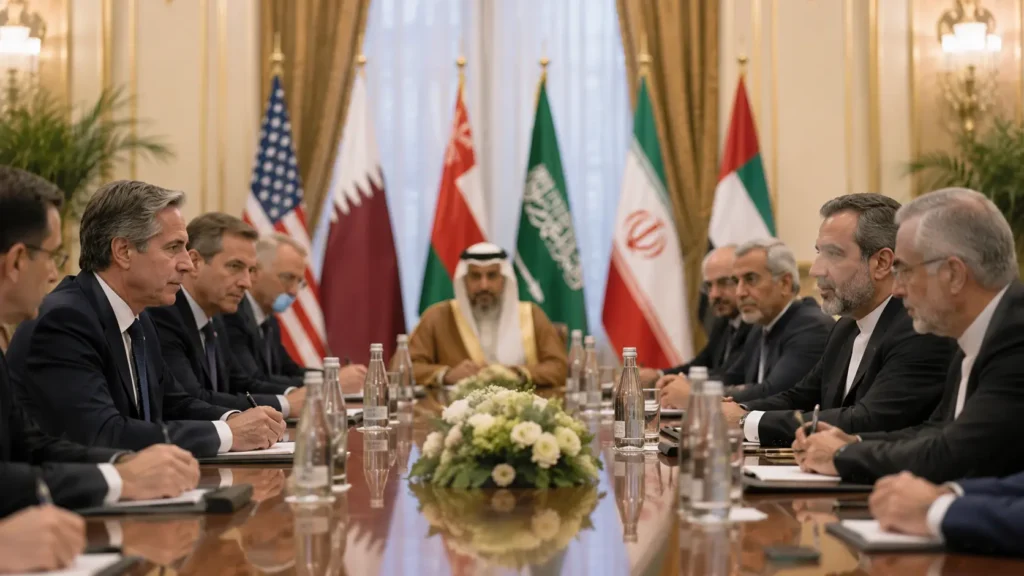
Reactions from international leaders have been cautiously optimistic. Governments across Europe, Asia, and the Middle East have welcomed the ceasefire while emphasizing the need for continued dialogue.
Many leaders believe the current agreement should serve as a starting point rather than a final solution. They are encouraging further negotiations on regional security concerns, military activity, and Iran’s nuclear program.
Experts also note that maintaining trust between all parties will be essential. Any future disagreements could test the durability of the agreement.
Challenges That Still Remain
Despite positive developments, several obstacles remain.
The ceasefire is currently a framework agreement rather than a permanent peace treaty. Future negotiations will need to address complex issues that have divided the parties for years.
Key challenges include:
- Long-term security arrangements
- Nuclear program concerns
- Regional influence and alliances
- Verification and monitoring mechanisms
- Building trust between opposing sides
History shows that peace agreements require ongoing commitment from all participants. Success will depend on consistent diplomacy and practical cooperation.
What Happens Next?
The coming months will be critical. Negotiators are expected to work on detailed agreements that could transform the temporary ceasefire into a more durable peace arrangement.
If progress continues, the US Iran peace deal could become a turning point for the Middle East. Stable energy markets, improved regional security, and stronger diplomatic relationships are all possible outcomes.
However, analysts caution that lasting peace takes time. The agreement’s true success will depend on implementation, compliance, and continued dialogue.
Hosting People During Big Global News? Keep Security in Mind
When major international news breaks, people often gather at home, in offices, or at business locations to watch updates live. That is exactly when security becomes more important. If your home, shop, or workplace stays open for long hours or has more foot traffic than usual, a CCTV system can help you keep an eye on everything.
For CCTV guidance, buying tips, and installation support, you can explore the BookMyCCTV blog for practical security advice. https://bookmycctv.com
Conclusion
The US Iran peace deal has already reduced immediate tensions and provided relief to global markets. By reopening key trade routes and encouraging diplomacy, the agreement offers hope for greater stability in a region that has experienced years of uncertainty.
While challenges remain, the ceasefire represents an important opportunity. The decisions made in the months ahead could shape not only the future of the Middle East but also the global economy and international security landscape.