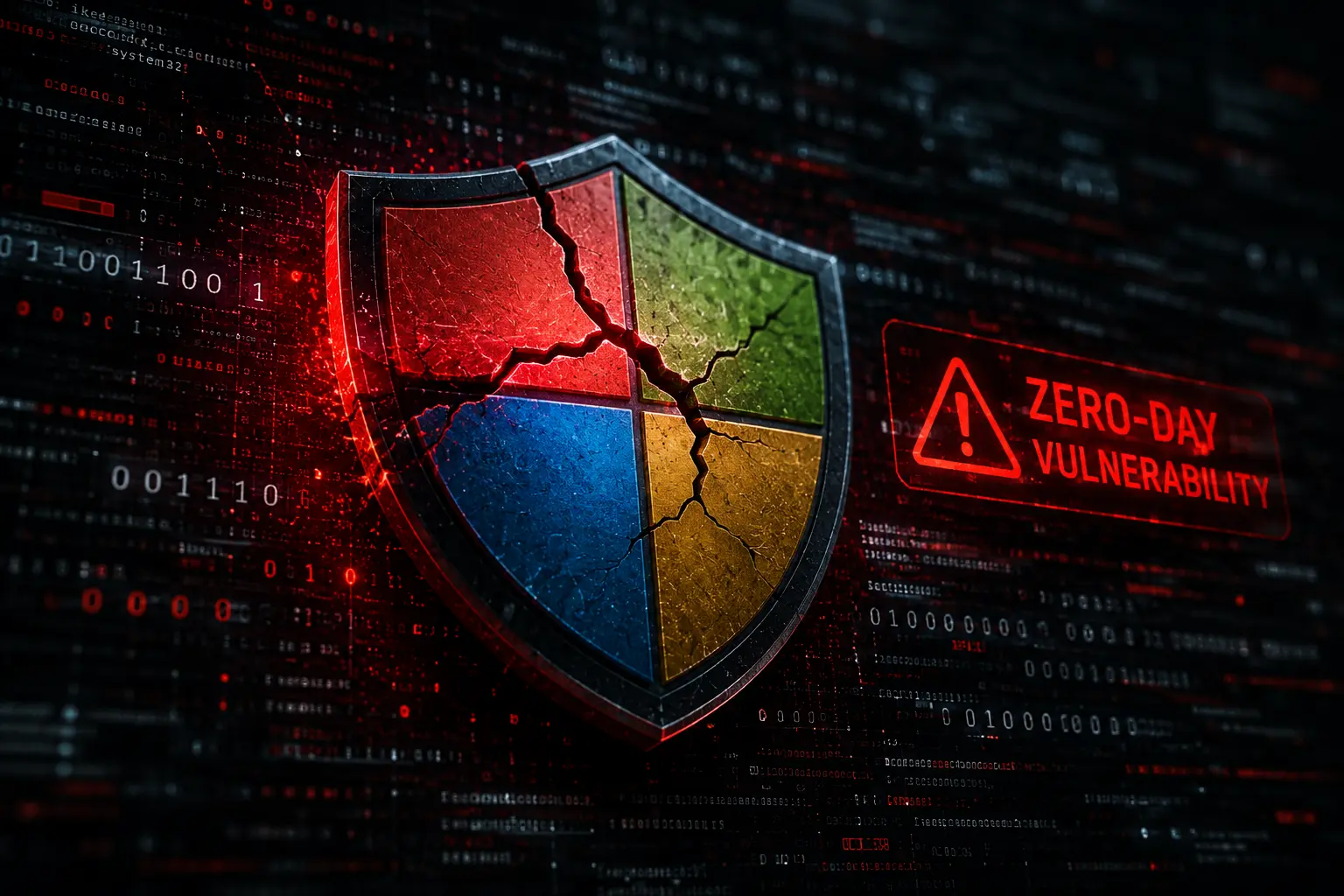
Microsoft Defender Zero-Day: A major security flaw has just rocked the tech world. Microsoft has officially confirmed a critical zero-day vulnerability in Microsoft Defender, its built-in security software used by millions worldwide.
The flaw is called “RoguePlanet.” And it is being actively exploited right now.
This is a serious warning for every individual, business, and organisation that relies on digital security. But it also raises a bigger question. What happens to your property when your digital defences fail?
What Is the Microsoft Defender Zero-Day Vulnerability?
A zero-day vulnerability is a security flaw that exists before the software maker has a chance to fix it. Hackers find it first. That gives them a head start.
The RoguePlanet flaw sits inside Microsoft Defender, the security tool that protects hundreds of millions of Windows devices worldwide. Attackers can exploit this flaw to gain system-level access to a device. That means full control.
Microsoft has confirmed the vulnerability and is working on a patch. But until that patch arrives, millions of devices remain at risk.
Why Is This Zero-Day So Dangerous?
Most security flaws affect one part of a system. RoguePlanet is different. It targets the very tool designed to protect you.
Think of it like a thief disabling your alarm system before breaking in. Once Microsoft Defender is compromised, the attacker bypasses your first line of defence entirely.
Here’s what makes RoguePlanet especially alarming:
- It exploits a race condition inside Defender itself
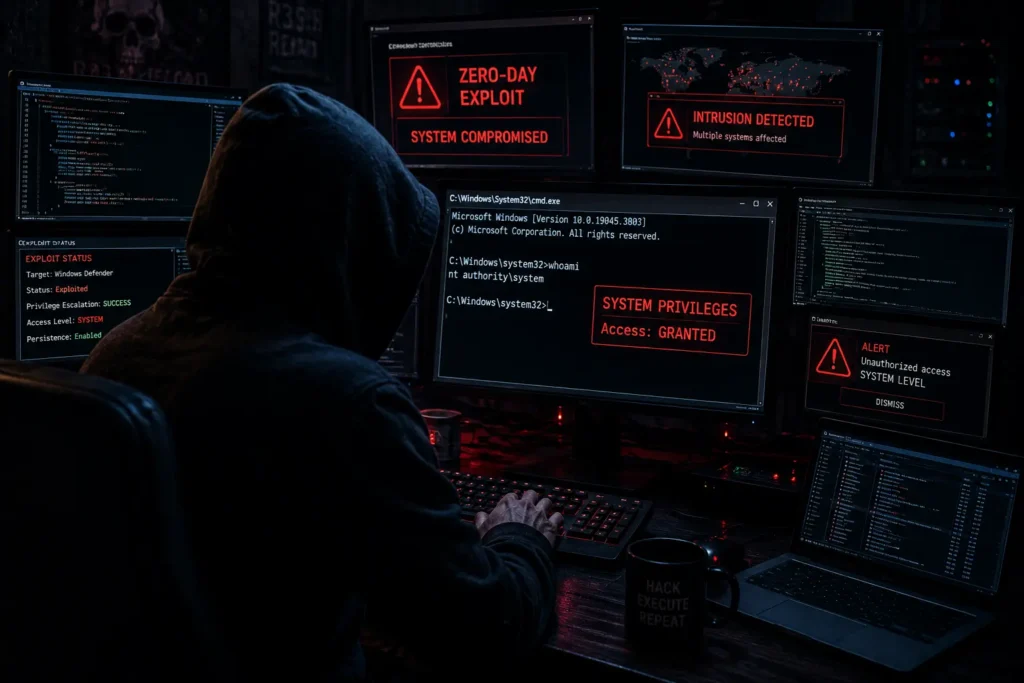
- It allows attackers to open a command prompt with full system privileges
- It is already being actively used in real attacks
- No patch is available yet as of today
This is not a theoretical risk. It is happening right now.
Who Is at Risk?
Anyone running Windows with Microsoft Defender enabled is potentially at risk. That covers a huge number of people and businesses.
The most vulnerable include:
Home users who rely on Defender as their only security tool. Most Windows users never install third-party antivirus. They trust Defender completely.
Small businesses running Windows machines without dedicated IT support. They often don’t monitor for unusual activity or apply updates quickly enough.
Large enterprises with complex networks. Even one compromised device can give attackers a path into the entire system.
What Should You Do Right Now?
Microsoft is working on a fix. But you can’t afford to wait and do nothing. Here are the steps to take today. https://www.cisa.gov/news-events/cybersecurity-advisories
Update Windows Immediately
Always keep Windows up to date. Microsoft releases emergency patches when critical flaws are found. Check for updates right now and install anything pending.
Enable Additional Security Layers
Don’t rely on Defender alone during this period. Consider adding a reputable third-party antivirus as a backup layer. Having two layers of protection is better than one.
Monitor Your Devices Closely
Watch for unusual activity on your devices. Unexpected slowdowns, new programmes running, or strange network activity can all be signs of a breach.
Restrict System Privileges
Limit who has administrator access on your devices. The RoguePlanet flaw escalates to system-level privileges. Reducing admin access limits what attackers can do even if they get in.
Educate Your Team
Most breaches start with human error. Make sure your staff knows not to click suspicious links, download unknown files, or use untrusted USB drives.
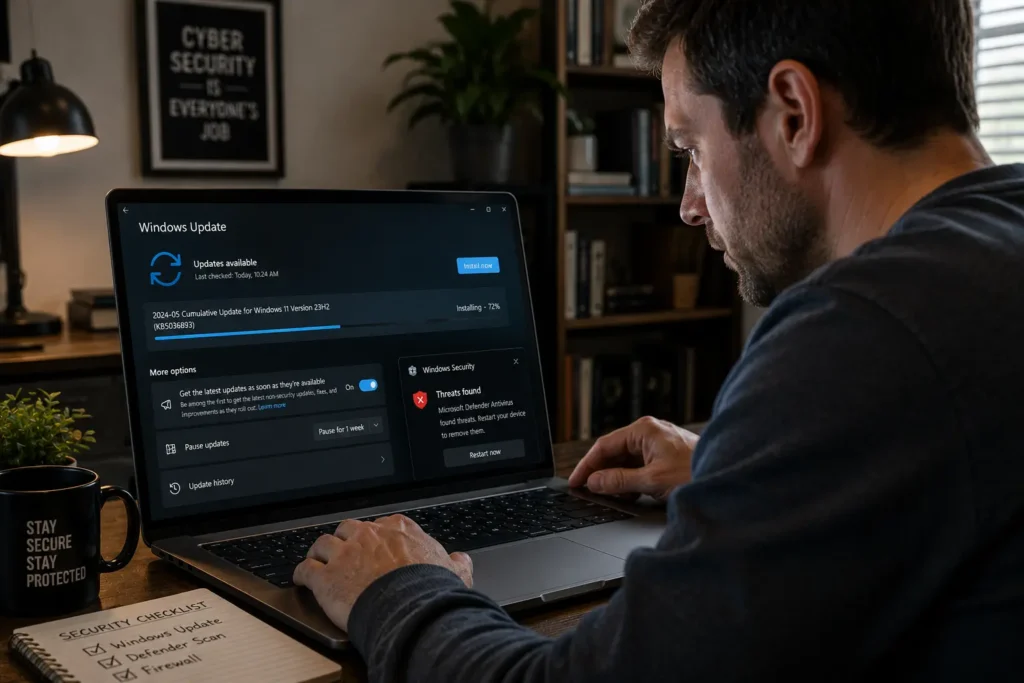
The Bigger Picture: Digital Security Has Limits
The RoguePlanet flaw highlights something important. No digital security system is perfect. Every piece of software has weaknesses. Every tool can be exploited.
Businesses and homeowners often pour resources into firewalls, antivirus software, and password managers. These are all important. But digital security only protects your data and devices.
It does nothing to protect your physical space.
When a cyberattack disrupts operations, criminals sometimes exploit the chaos. Office buildings become vulnerable. Shops get left unmonitored. Security teams are distracted dealing with the digital breach.
That is exactly when physical security matters most.
Why Physical Security Must Work Alongside Digital Security
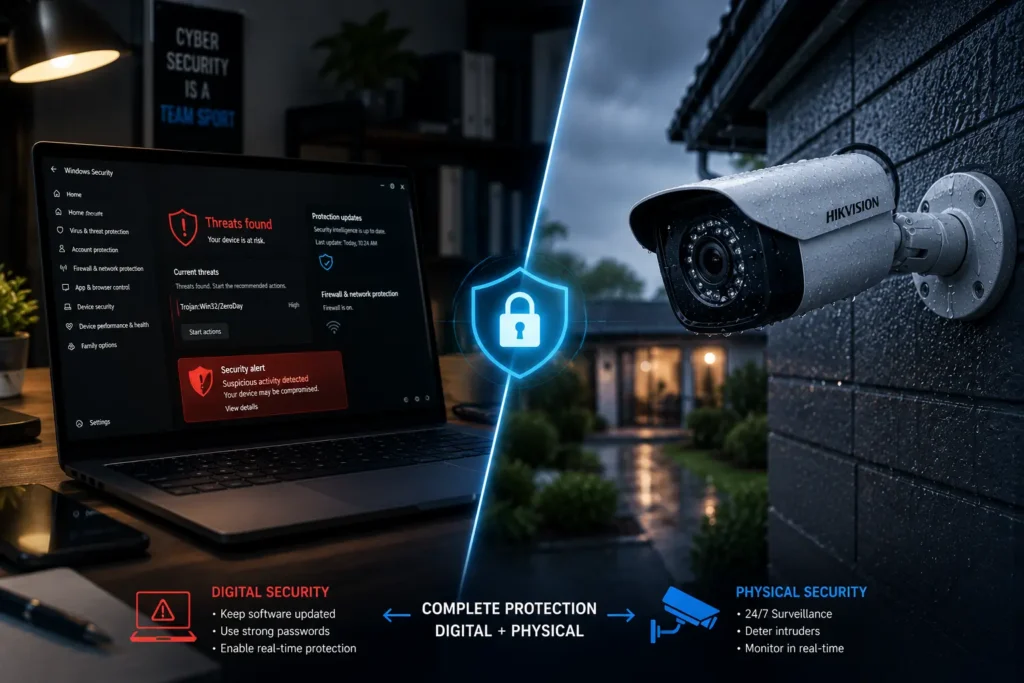
A strong security strategy covers both the digital and physical world. One without the other leaves serious gaps.
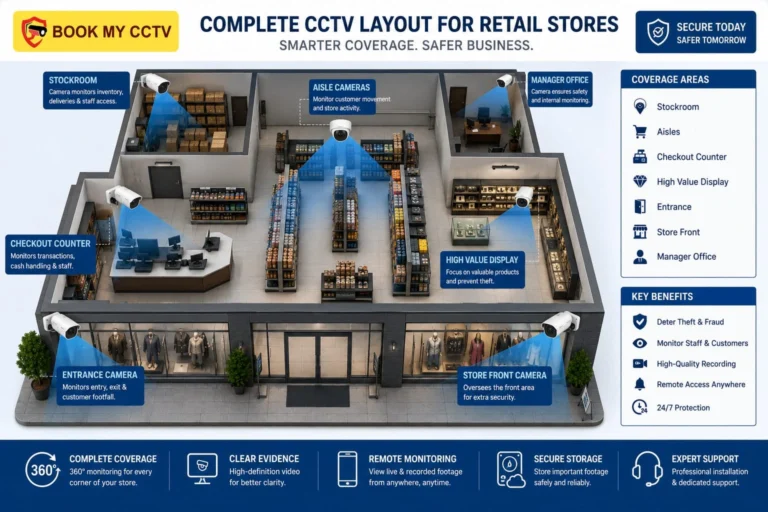
Here’s how CCTV cameras fill the gap that software can’t:
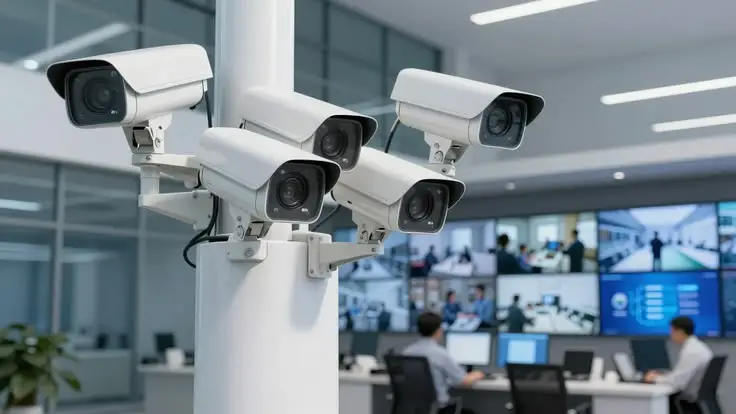
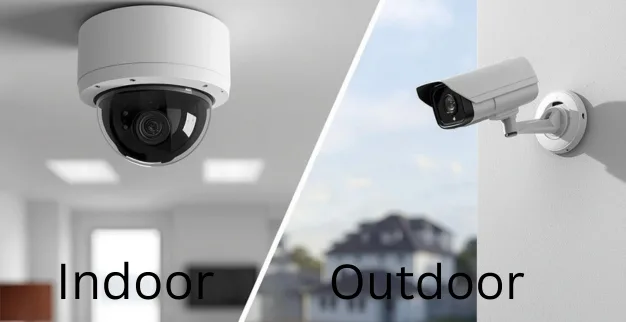
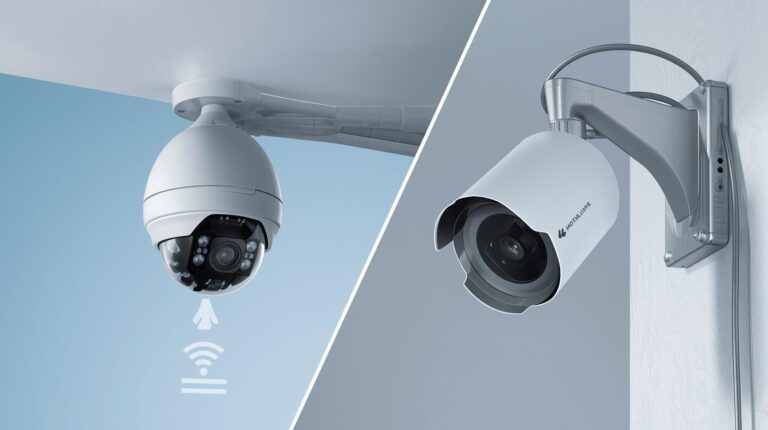
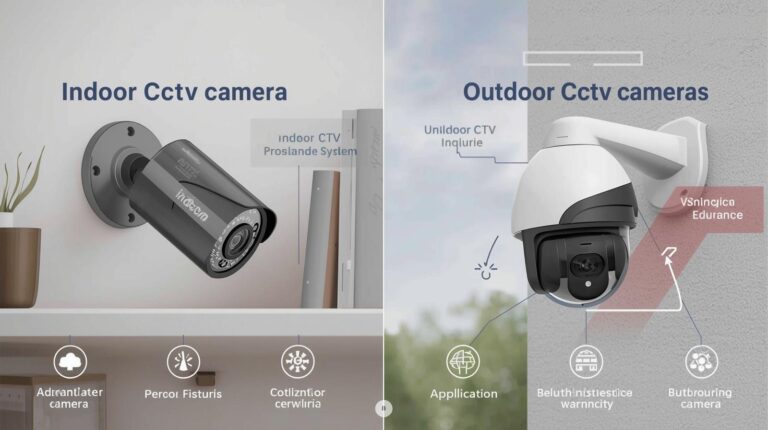
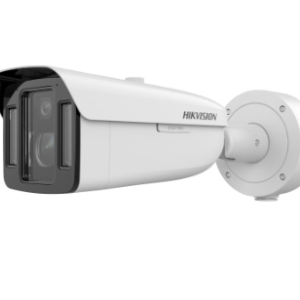
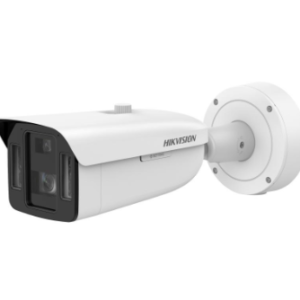
Continuous Monitoring: A CCTV system never crashes, never gets hacked, and never needs a patch. It watches your property around the clock regardless of what’s happening online.
Real-Time Alerts: Modern CCTV systems send instant alerts to your phone. If something happens at your premises while your team is dealing with a cyber incident, you’ll know immediately.
Deterrence: Visible cameras stop physical threats before they happen. No software patch can do that.
Evidence: If a breach leads to physical theft or vandalism, CCTV footage provides clear evidence for insurance claims and police investigations.
Peace of Mind: Knowing your physical premises are covered lets you focus on resolving digital issues without worrying about what’s happening on the ground.
Digital and physical security are not separate concerns. They work best together.
If you want expert advice on protecting your home or business with a reliable CCTV system, visit the BookMyCCTV blog. It covers everything from buying guides and camera comparisons to installation tips and product reviews, all in simple, easy-to-understand language.
What Comes Next for Microsoft Defender?
Microsoft is actively developing a security patch for the RoguePlanet vulnerability. It is expected to be released through a Windows Update as soon as possible.
Until then, stay alert. Keep your systems updated. Add extra security layers where you can. And don’t assume your digital tools alone are enough.
Security in 2026 means protecting yourself on every front, not just online.
Final Thoughts
The RoguePlanet zero-day is a reminder that no security system is untouchable. Even the tools built to protect us can become targets.
Stay updated. Stay vigilant. And make sure your physical security is just as strong as your digital defences.
Because when your software fails, your cameras are still watching.