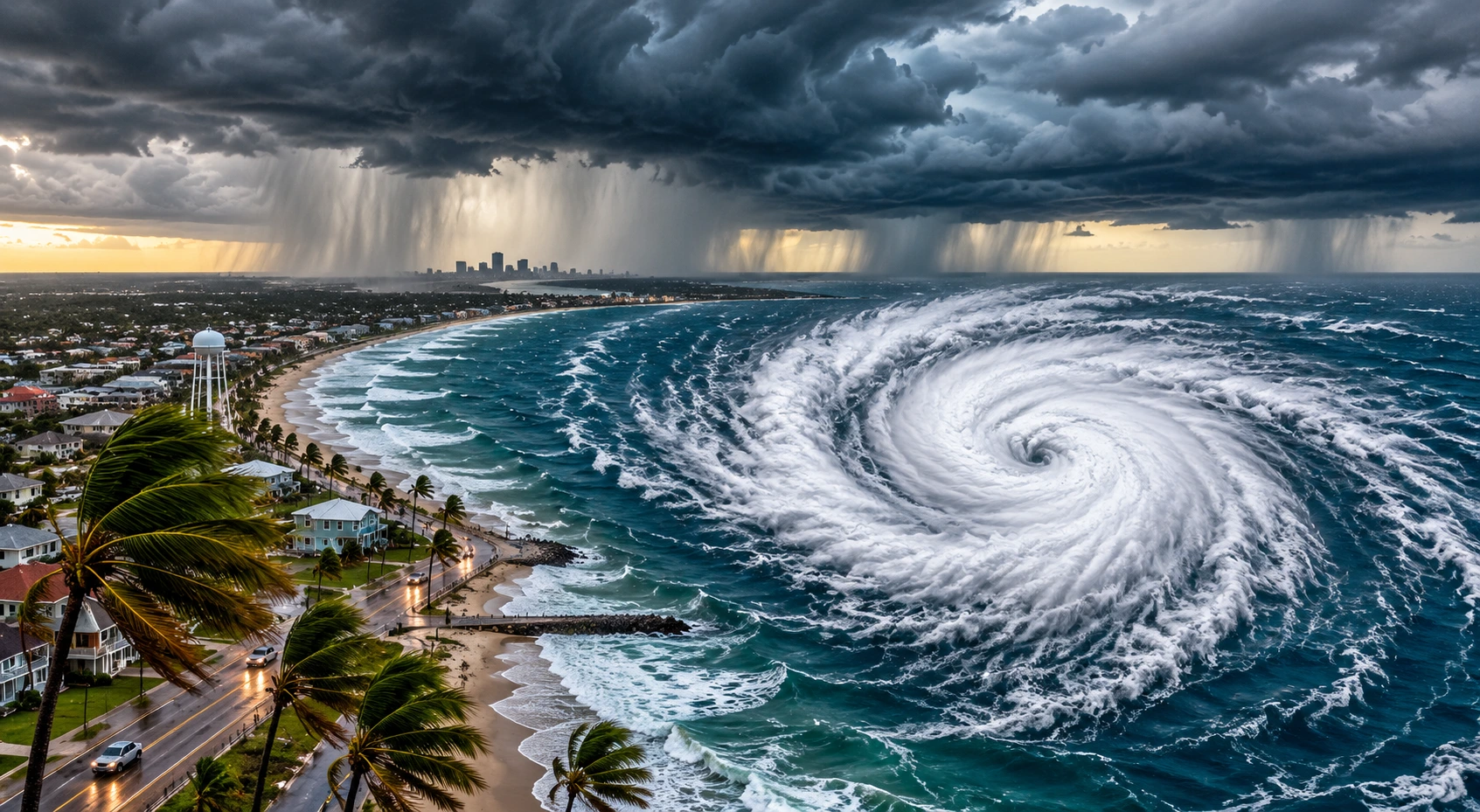
Tropical Storm Arthur has already made its mark on the 2026 Atlantic hurricane season. It’s the first named storm of the year, and it arrived fast.
Millions of homes and businesses across the Gulf Coast are dealing with floods, damage, and disruption right now. And hurricane season has barely started.
This is a reminder for every homeowner. Preparation matters. Don’t wait for the next storm to take action.
What Is Tropical Storm Arthur?
Tropical Storm Arthur is the first named storm of the 2026 Atlantic hurricane season. It developed near the Texas coast on June 17 and moved quickly inland.
At its peak, Arthur carried maximum sustained winds of 45 mph. It made landfall south of Houston and pushed northeast through Louisiana. The storm has since weakened, but the danger hasn’t gone away.
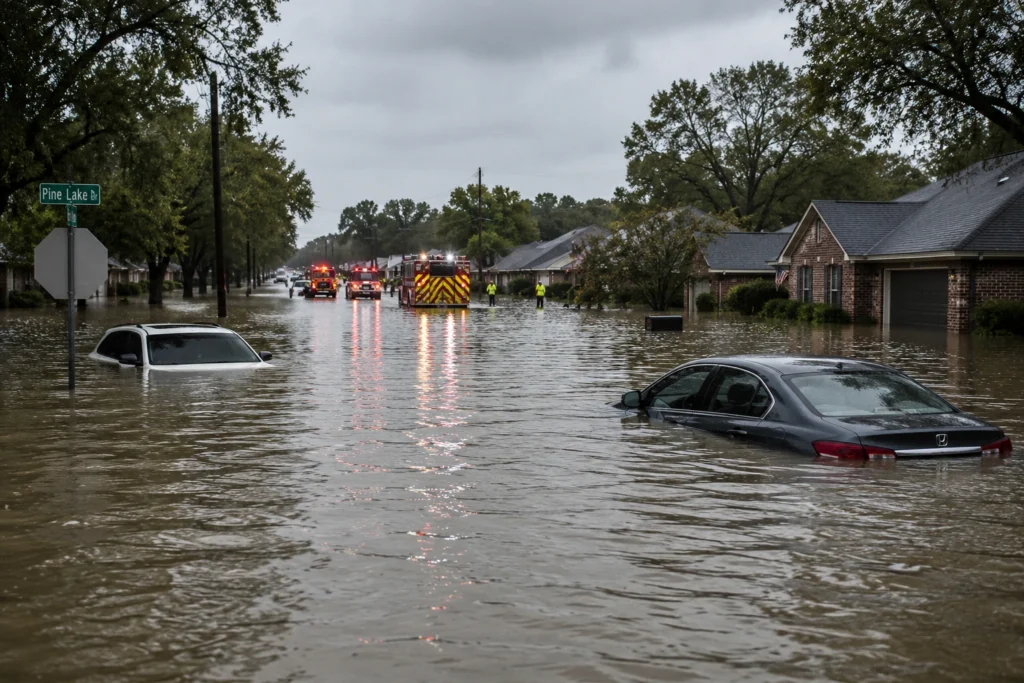
Flooding remains the biggest threat. Arthur is expected to dump 5 to 10 inches of rain across parts of Texas, Louisiana, Mississippi, Alabama, and Georgia. Some isolated areas could see up to 20 inches.
That is an enormous amount of water in a very short time
How Serious Is the Flooding Threat?
Tropical Storm Arthur is not just a wind event. The real danger is water.
More than 17 million people are currently under flood watches from eastern Texas to Georgia. The storm has already triggered over 180 flooding reports across the Gulf Coast. At least two people have lost their lives in Texas.
Tornado warnings have also been issued in parts of Louisiana. Supercell storms can develop as Arthur’s remnants push further inland.
Even after the storm weakens, the rain keeps coming. That’s what makes Tropical Storm Arthur so dangerous.
Why Early Preparation Always Wins
Storms like Tropical Storm Arthur remind us of one important truth. Preparation before a storm is always better than recovery after one.
Many homeowners wait until a storm is confirmed before taking action. By then, it’s often too late. Supplies run out. Roads flood. Emergency services get stretched thin.
Start your storm preparation now, while conditions allow it.
How to Protect Your Home Before the Next Storm
1. Clear Drains and Gutters
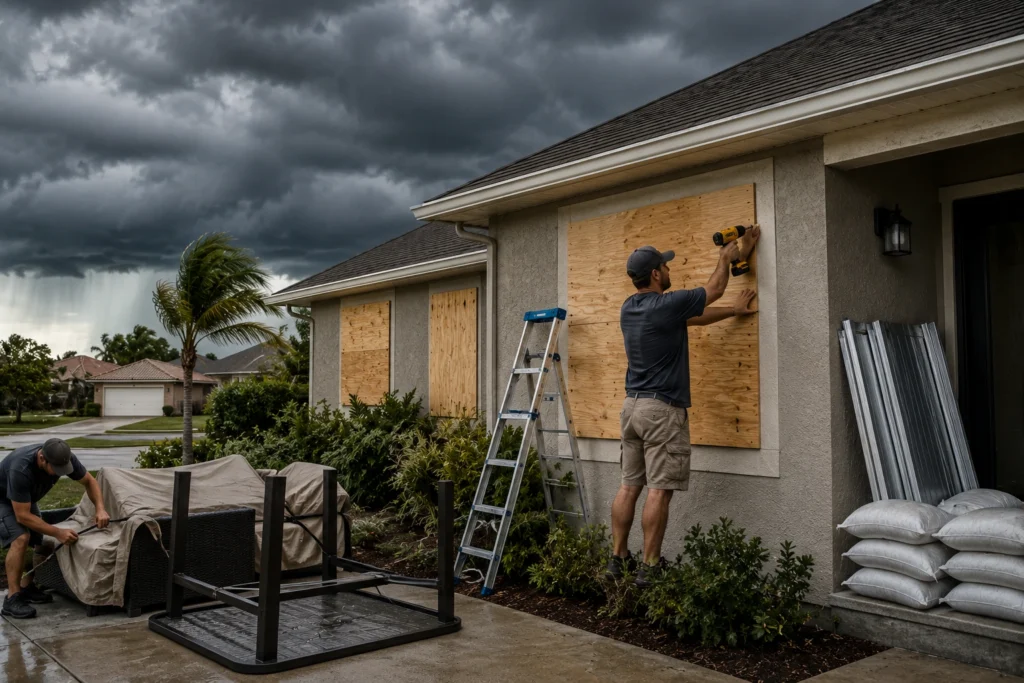
Blocked drains turn heavy rain into instant flooding. Clean your gutters and check all drainage points around your home. Water needs a clear path away from your property.
2. Secure Outdoor Items
Garden furniture, bins, and loose equipment become dangerous in high winds. Bring them inside or tie them down before a storm arrives. Flying debris causes serious damage to windows and roofing.
3. Check Your Roof and Windows
Small cracks or loose tiles can turn into major leaks under storm conditions. Inspect your roof now. Seal any gaps around windows and doors. A small fix today can prevent a costly repair tomorrow.
4. Stock an Emergency Kit
Every home should have a basic storm kit ready. Include bottled water, non-perishable food, torches, batteries, a first aid kit, and important documents in a waterproof bag.
5. Know Your Evacuation Route
Flooding can cut off roads quickly. Know at least two evacuation routes from your home before a storm hits. Share them with every member of your household. https://www.ready.gov/
6. Back Up Important Data
Floods destroy documents, devices, and memories. Keep digital copies of important files in cloud storage. Store physical documents in waterproof containers.
What Happens to Your Property When You Evacuate?
Evacuating is the right call during a serious storm. But leaving your property empty creates a different problem.
Empty homes become targets. Looting after natural disasters is a real and well-documented issue. When communities evacuate, opportunists move in. Damaged properties with broken windows or open access points are especially vulnerable.
This is where your home security setup becomes critical.
How CCTV Cameras Help Protect Your Property During Storm Season
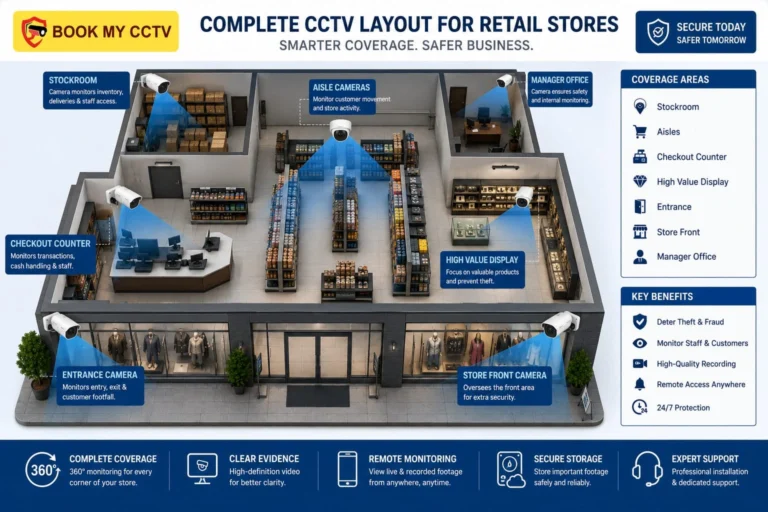
A good CCTV system doesn’t just record. It actively deters criminal activity, even when you’re not there.
Here’s how CCTV cameras help during storm season:
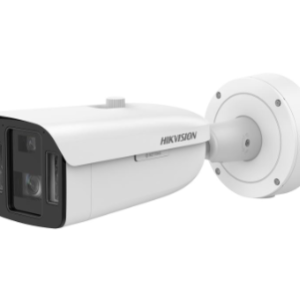
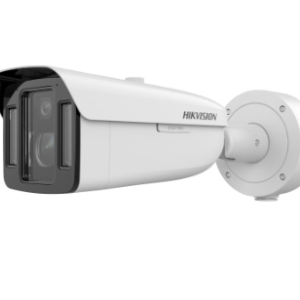
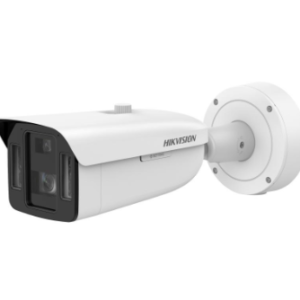
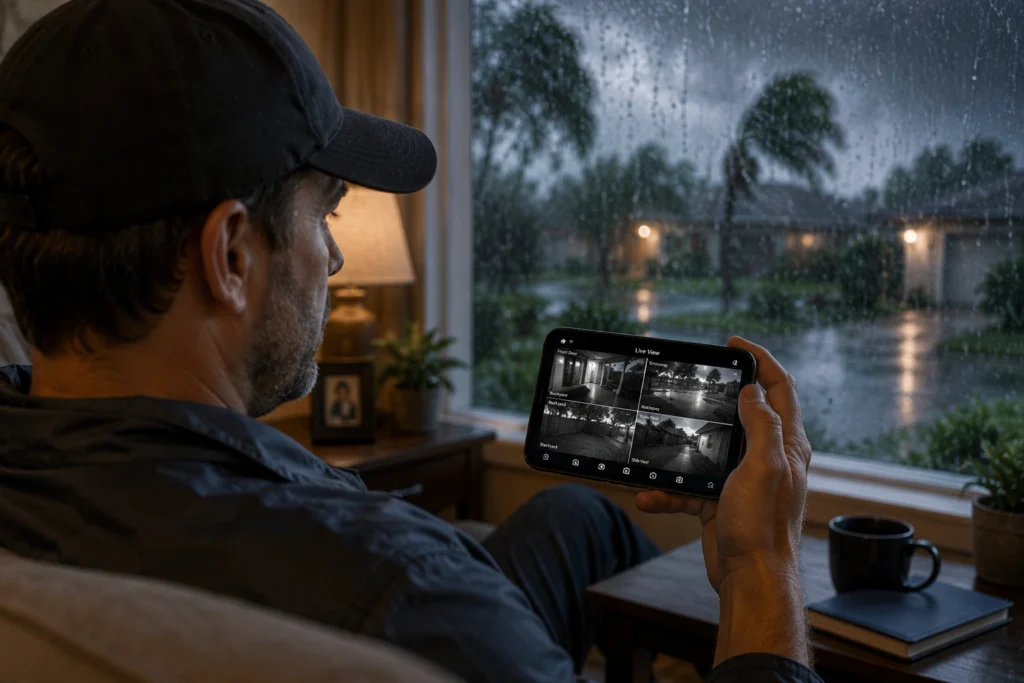
Remote Monitoring: Modern CCTV systems connect to your smartphone. You can check your property from anywhere, even mid-evacuation. If something looks wrong, you can alert local authorities immediately.
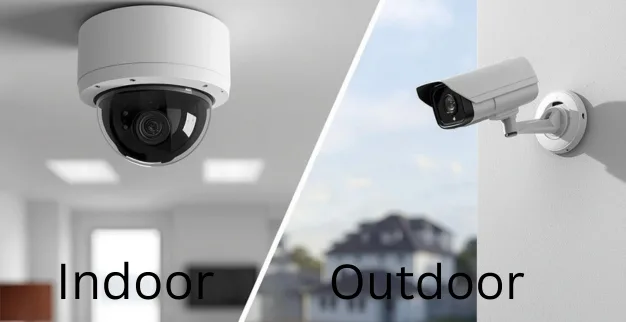
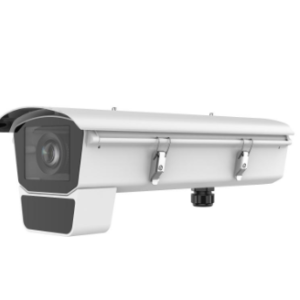
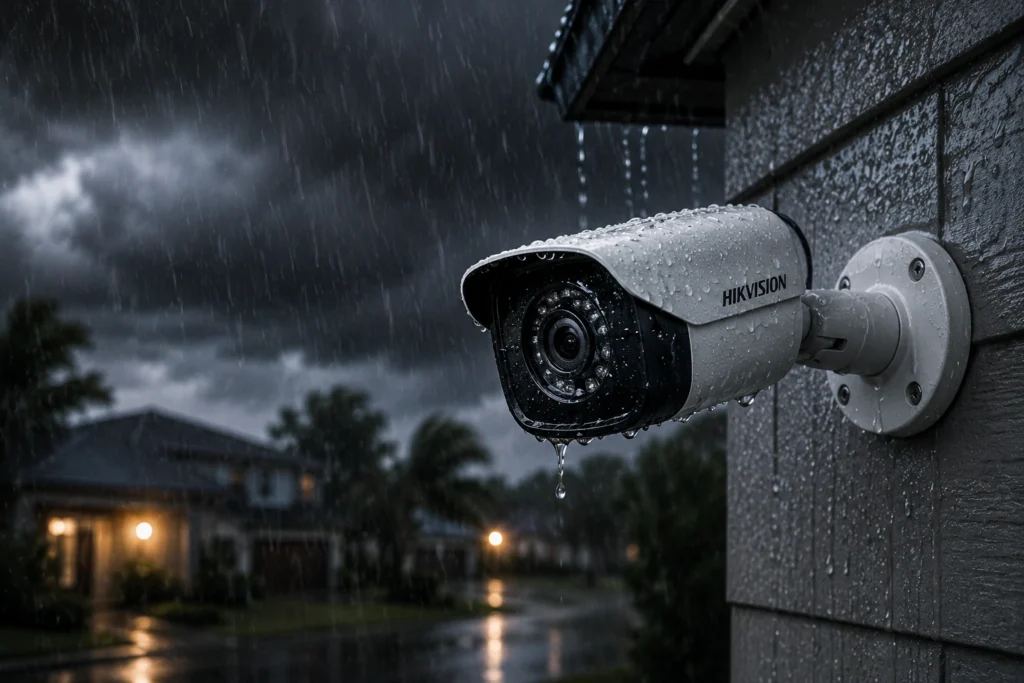
Weatherproof Coverage: Quality outdoor cameras are built for exactly this kind of weather. They keep recording through rain, wind, and low light. Your footage stays intact even when conditions get rough.
Deterrence: Visible cameras discourage looting. Most opportunists move on when they spot a camera. They look for easier targets.
Evidence Collection: If damage or theft does occur, CCTV footage gives you clear evidence. This supports insurance claims and helps police investigations.
Peace of Mind: Knowing your property is being monitored around the clock reduces stress. You can focus on keeping your family safe instead of worrying about what’s happening at home.
Before storm season gets any busier, it’s worth reviewing your current security setup.
For expert buying guides, camera comparisons, and installation tips, visit the BookMyCCTV blog. It covers everything you need to know about protecting your home and business, in simple, easy-to-follow language.
The 2026 Hurricane Season Is Just Getting Started
Tropical Storm Arthur is only the first named storm of the year. The Atlantic hurricane season runs from June through November. Forecasters are predicting an active season in 2026.
That means more storms, more rain, and more risk for millions of homeowners. The time to prepare is always before the next storm forms, not after.
Final Thoughts
Tropical Storm Arthur has shown us how quickly conditions can change. One day it’s a disturbance in the Gulf. The next, millions of people are under flood watches.
Don’t wait for the next storm warning to take action. Secure your home, build your emergency kit, and make sure your property is monitored even when you’re not there.
Stay safe. Stay prepared. And stay one step ahead of storm season.